
Table of Contents
When you walk into a grocery store, restaurant, apartment building, or office, you have a reasonable expectation of safety. Property owners and businesses have a responsibility to keep their spaces free of preventable hazards, and when they fall short of that obligation, people get hurt.
A serious injury on someone else’s property can upend your life quickly. Medical bills accumulate, time away from work creates financial pressure, and the pain from a fall or another property-related incident can linger far longer than expected. On top of the physical and financial toll, there’s often genuine confusion about who is responsible and what options exist.
At Bader & Murov, we represent people who have been injured because a property owner or business failed to maintain reasonably safe conditions. If you were hurt on someone else’s property, our St. Louis personal injury lawyers can help you understand whether you have a claim and what it may be worth.

What Is Premises Liability?
Premises liability is the area of law that holds property owners, occupiers, and in some cases other responsible parties accountable when an unsafe condition on their property causes injury to someone else. It applies across a wide range of settings, from retail stores and parking garages to apartment complexes, hotel lobbies, and private residences.
One important clarification: an injury that happens on someone else’s property does not automatically create a valid legal claim. Whether a property owner can be held responsible generally depends on whether the injured person had permission to be on the property in the first place, whether the responsible party knew or should have known about the hazard, and whether they took reasonable steps to fix it or warn visitors about it.
This area of law is also broader than many people assume. While slip and fall accidents are the most widely recognized type of premises liability claim, they represent just one category. Inadequate security, swimming pool incidents, elevator malfunctions, toxic exposure, and dog bites can all give rise to premises liability cases.
Common Hazards That May Lead to a Premises Liability Claim
Accidents can happen in any environment, and the hazards involved vary widely by setting, but some of the most common hazards involved in premises liability claims include:
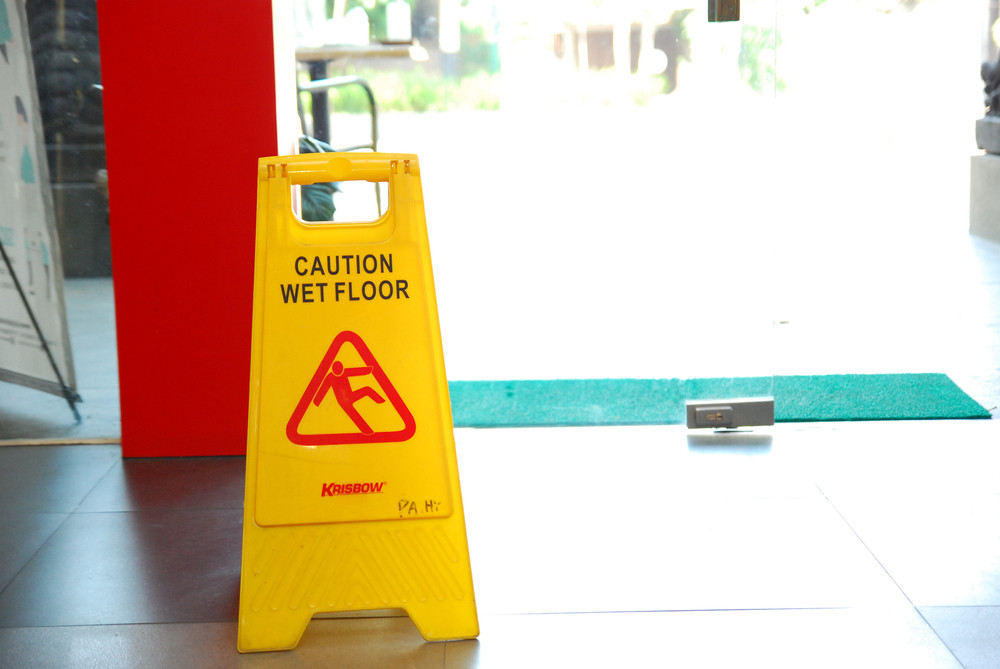
- Wet or slippery floors
- Uneven flooring, loose rugs, or damaged carpeting
- Broken stairs, railings, or handrails
- Cracked sidewalks and poorly maintained parking lots
- Snow, ice, or standing water left untreated
- Poor lighting in stairwells, hallways, or parking areas
- Falling merchandise or unsecured objects on shelves
- Elevators or escalators that malfunction or are poorly maintained
- Exposed wiring, faulty electrical systems, or fire hazards
- Unfenced or unsupervised pools and other water features
- Dangerous dogs or other animals on the property
Whether a hazard developed over time through neglect or appeared suddenly and went unaddressed, the key question is whether the property owner knew or should have known about it.
What Do You Need to Prove to Win a St. Louis Premises Liability Case?
Success in premises liability claims is not just about showing that an accident occurred. An injured person must generally establish the following:
1. A dangerous condition existed
The property must have contained a hazard that created an unreasonable risk of injury. Not every imperfection on a property qualifies, so the condition itself needs to be genuinely unsafe.
2. The owner or occupier knew or should have known about it
This element involves either actual knowledge, meaning someone was directly aware of the hazard, or constructive knowledge, meaning the condition existed long enough that a reasonable inspection would have uncovered it. Evidence like maintenance logs, prior complaints, or surveillance footage can be relevant here.
3. The danger was not adequately addressed
The responsible party must have failed to repair the condition, remove it, block access to it, or provide an effective warning. A property owner who received a report about a broken stair and did nothing about it is in a much different position than one who placed a visible warning sign and ordered immediate repairs.
4. The condition caused the injury and losses
There must be a direct connection between the property hazard and the injury. The claimant must also document the resulting losses, such as medical expenses, lost income, pain, or lasting physical limitations.
What Types of Compensation Can You Recover Through a Premises Liability Claim?
The losses that follow a serious property injury often extend well beyond the initial emergency room visit. Depending on the nature and severity of the injury, potential compensation in a premises liability claim may include:
- Past and future medical expenses
- Rehabilitation and assistive care
- Lost wages during recovery
- Reduced earning capacity if the injury affects your ability to work long-term
- Pain and suffering
- Emotional distress
- Disability and disfigurement
- Loss of enjoyment of life
- Wrongful death-related losses in cases involving a fatal injury
The value of a claim depends on a range of factors, including how severe the injury is, what future medical care may be required, how long you were unable to work, whether you have lasting limitations, and the strength of available evidence.
Do You Need a Lawyer for Your Premises Liability Case?
In many cases, yes. Recovering fair compensation in a premises liability case is often more challenging than many victims first realize. Property owners and their insurance companies frequently look for ways to avoid responsibility or reduce what they have to pay.
One common defense is that the danger was “open and obvious,” meaning it was visible enough that a reasonable person should have recognized and avoided it. The insurer may also argue that the injured person was distracted or otherwise partly responsible for the accident. These types of arguments matter because under Missouri’s comparative-negligence rules, any compensation an injured person receives is typically reduced based on their percentage of fault.
Even if fault is not disputed, insurers may still try to minimize the claim by questioning the severity of the injuries, arguing that certain treatments were unnecessary, or disputing lost income and future medical needs.
How the St. Louis Premises Liability Attorneys at Bader & Murov Can Help
At Bader & Murov, our attorneys have spent decades representing people injured in St. Louis and throughout Missouri. We handle serious injury cases against property owners, businesses, and insurers, and we understand the defenses these parties raise and what it takes to build a compelling claim in response.
We have recovered millions of dollars on behalf of injured clients, and we bring that depth of experience to every case we take on. Our work in premises liability cases typically includes:
- Investigating the accident scene to establish why the condition was dangerous and whether the property owner should have addressed it
- Gathering photographs, surveillance footage, maintenance records, incident reports, and witness statements before that evidence disappears
- Identifying every property owner, business, management company, tenant, or contractor that may share liability
- Using medical records and expert opinions to establish the severity of the injuries, the necessity of treatment, and any future care needs
- Documenting lost income, long-term limitations, and other losses insurers may attempt to undervalue
- Taking the case to court when the responsible parties refuse to offer fair compensation
What Should You Do After Being Injured on Someone Else’s Property in St. Louis?
The steps you take after an injury on someone else’s property can affect your ability to recover compensation. When possible:
- Seek medical attention promptly, even if the injury initially seems minor.
- Report the incident to the property owner, manager, or an employee and request a written incident report.
- Photograph the hazard and surrounding area before the condition is repaired or removed.
- Collect contact information from witnesses who saw the accident or the dangerous condition.
- Preserve your clothing and footwear in the condition they were in at the time of the accident.
- Avoid giving a detailed recorded statement to the property owner’s insurance company before understanding your rights.
- Contact a premises liability attorney promptly so they can preserve evidence, communicate with the insurer, and investigate who may be responsible.

How Long Do You Have to File a St. Louis Premises Liability Claim?
Missouri generally allows five years from the date of injury to file a personal injury lawsuit. However, shorter deadlines apply in specific circumstances. Claims involving government-owned property, for example, may require formal notice within a much shorter window before any lawsuit can proceed. Waiting too long can permanently bar a claim, so it is worth speaking with an attorney as early as possible to understand the timeline that applies to your situation.
Reach Out to Our St. Louis Premises Liability Lawyers to Learn More About Your Options
Premises liability cases turn on more than proof that an accident happened. They depend on demonstrating that a property owner had notice of a dangerous condition and failed to act. That requires evidence, legal knowledge, and persistence, particularly when the other side has experienced insurance representatives working to limit their exposure.
Bader & Murov has a long history of representing individuals in serious injury cases against property owners and businesses throughout the St. Louis area. If you believe a property owner’s negligence caused your injuries, we encourage you to reach out. We offer free consultations, and we handle premises liability cases on a contingency fee basis, meaning you pay nothing unless we recover compensation for you.